Hotline: +8618266696519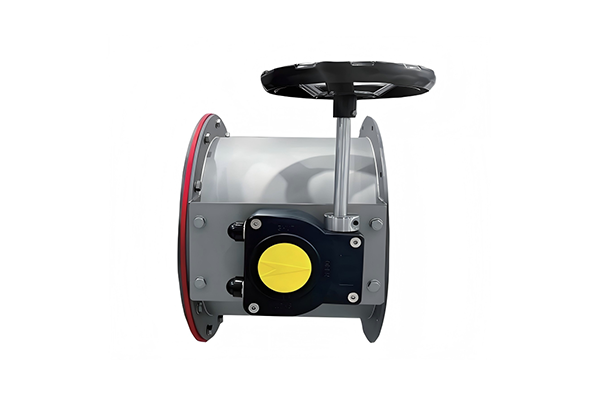
The biosecurity airtight valve—also known as a low-leakage isolation damper—is a ventilation control device specifically designed to meet the requirements of rigorous safety standards. Distinguished by its exceptional zoning capabilities, this valve enables the precise segmentation of complex ventilation systems into multiple independent and mutually isolated zones, thereby facilitating the effective management and control of airflow within distinct areas. This characteristic has led to its widespread application across various sectors with exceptionally high demands for air quality, including pharmaceutical manufacturing, nuclear power facilities, petrochemical plants, food processing, and scientific research laboratories.
Product Features
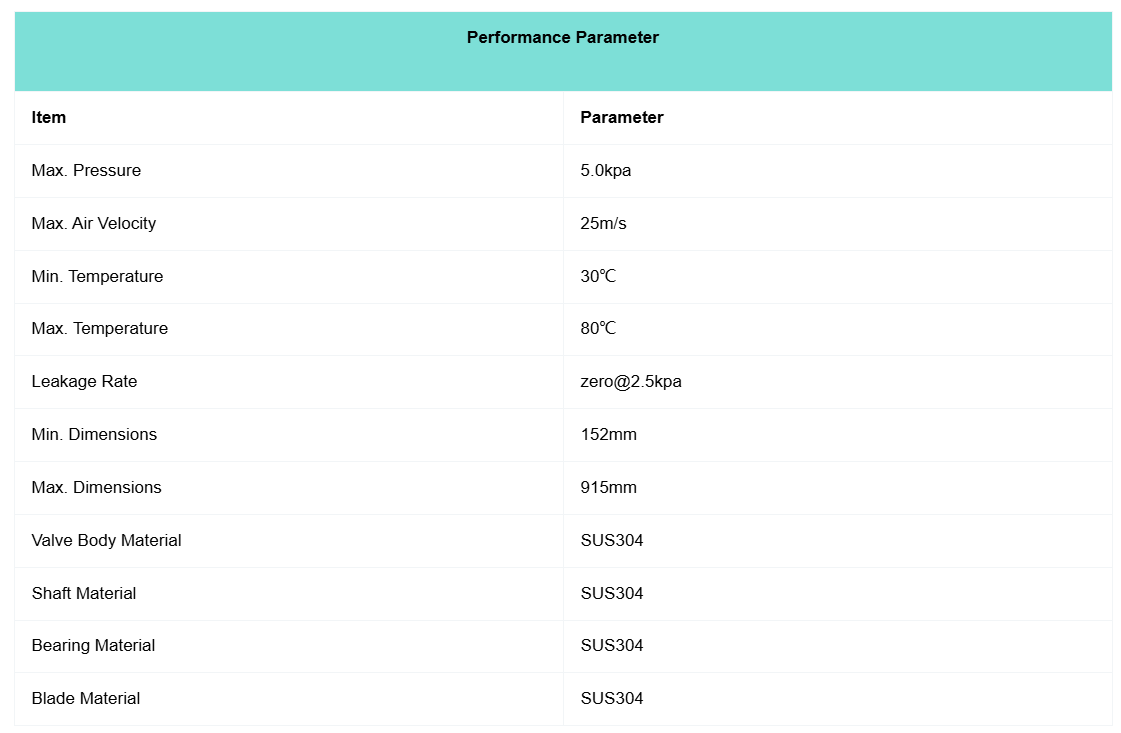
Exceptional Airtight Performance: Biological safety isolation valves feature excellent airtightness, capable of achieving zero leakage under specified pressure differentials. For instance, valves compliant with standards such as the US ASME N509 or the EU EN 12266-2 can achieve zero leakage at a pressure differential of 2500 Pa, effectively blocking gases and particulate matter to ensure safety in critical environments.
Rapid Response Capability: Electric biological safety isolation valves offer instantaneous response times for opening and closing operations; for example, products from Kuili Company can complete an actuation cycle within 40 seconds. In emergency situations, this allows for the rapid isolation of hazardous sources, safeguarding both personnel and equipment while simultaneously enhancing daily operational efficiency.
Multiple Control Modes: Electric isolation valves can be integrated with automated control systems to enable automatic airflow regulation. Furthermore, they feature remote control capabilities, allowing operators to exercise precise control over the valves via remote devices—an ideal solution for hazardous or inaccessible environments that significantly enhances both operational convenience and safety.
High-Security Design: The design and manufacturing processes of these valves strictly adhere to international biological safety standards and incorporate built-in overload protection features. Should any anomalies occur during operation—such as excessive current or heavy loads—the power supply is immediately and automatically cut off to prevent safety incidents.
Robust and Durable Construction: The valve body is typically constructed from stainless steel (e.g., 304 stainless steel) with a thickness of 3 mm or more, while the flanges are no less than 5 mm thick, ensuring excellent corrosion resistance and structural integrity. The rotating shaft’s sealing mechanism undergoes rigorous fatigue testing—for instance, products from Kelsen Company have successfully passed 250,000 open-and-close cycles—thereby guaranteeing long-term operational reliability.
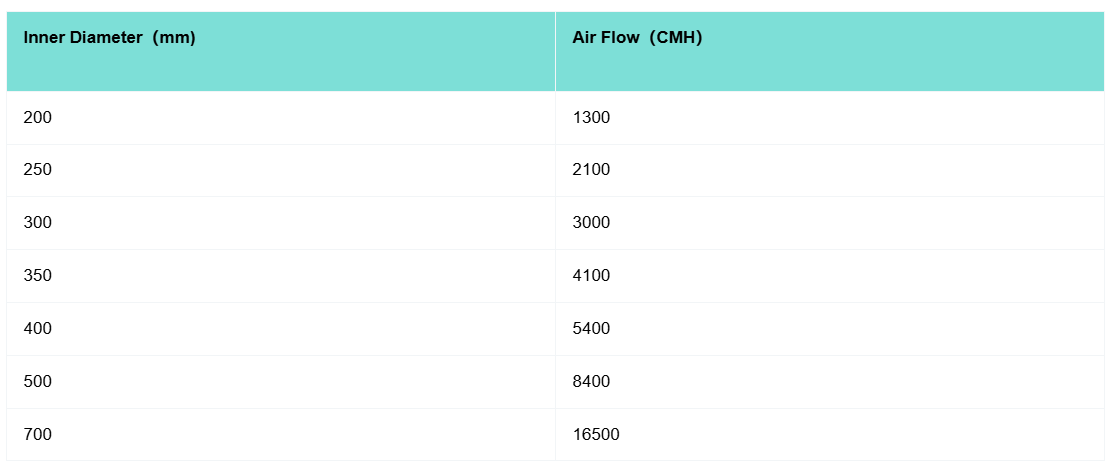
Customizability: Both the valve body materials and dimensions can be customized to meet specific client requirements, accommodating diverse installation spaces and airflow volume needs. Additionally, based on functional characteristics, the valves can be categorized into airflow-blocking types and airflow-regulating types, thereby satisfying the varied demands of different application scenarios.